Legal size is just a paper size — 8.5 × 14 inches, a few inches taller than the letter-size sheets in most home printers. That's it. The word legal here describes the paper, not the document. A contract on letter-size paper is just as binding as one on legal-size paper. A lease on legal-size paper isn't more official than any other lease. If you searched this because a document said “print on legal-size paper” and you don't have any, letter size usually works fine — the content is what matters, not the paper it's on.
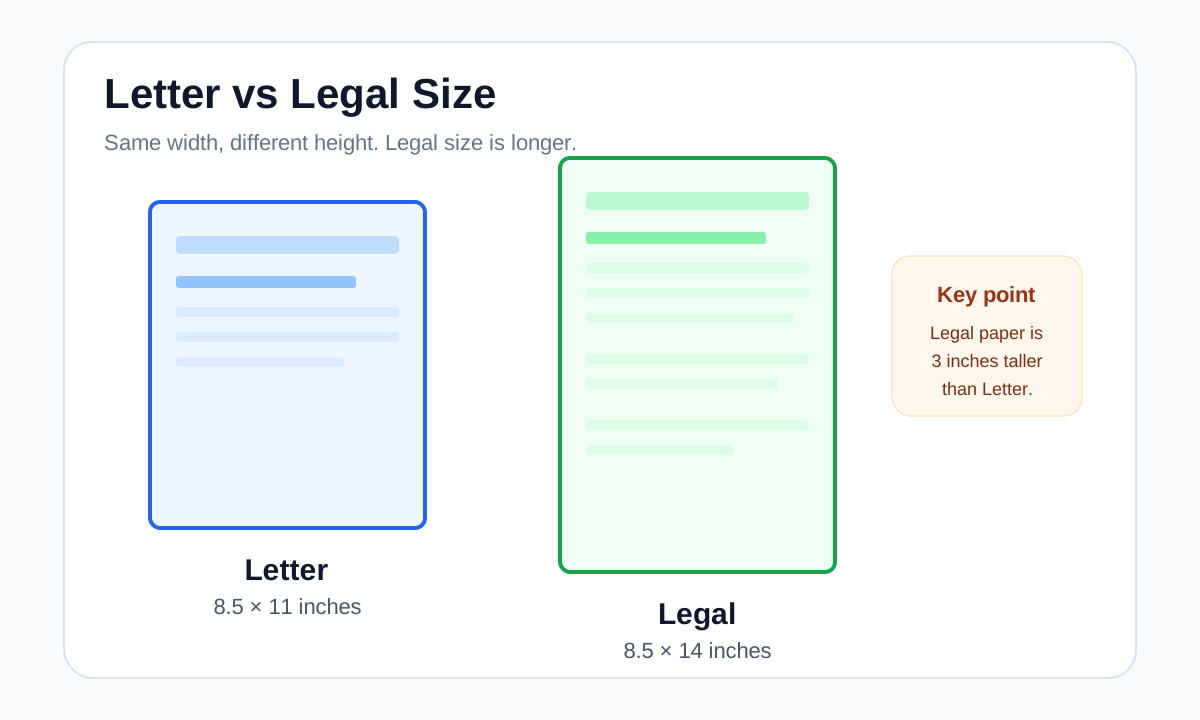
The short answer: letter size is 8.5 × 11 inches, while legal size is 8.5 × 14 inches. Both are common in the United States. Legal paper is the same width as letter paper, but three inches longer.
Legal vs Letter Size: The Basic Difference
Letter size paper measures 8.5 inches wide by 11 inches tall. It is the default paper size for most business correspondence, school documents, letters, invoices, and everyday printing in the United States and Canada.
Legal size paper measures 8.5 inches wide by 14 inches tall. Because it is three inches longer, it can fit more text on each page. That extra space made legal paper useful for older contracts, pleadings, real estate forms, court papers, and documents with signature blocks or lengthy provisions.
Quick rule: Letter size is usually the standard default. Legal size is longer and may require a printer tray, scanner setting, or PDF page-size setting that supports 8.5 × 14 inches.
Why Is It Called Legal Size?
The name comes from historical document practice, not from a law that says legal documents must use that size. Lawyers, courts, title companies, and businesses often used longer paper because it reduced page breaks and left room for signatures, acknowledgments, certificates, notary blocks, and attachments.
Today, many legal documents are created, signed, and filed electronically. Courts and agencies often publish their own formatting rules. Some require letter-size pages, some accept legal-size pages, and some focus more on margins, font size, pagination, and PDF formatting than on the old paper tradition.
Does a Legal Document Have to Be on Legal Size Paper?
Usually, no. A contract, notice, letter, or agreement is not automatically invalid just because it is printed on letter-size paper instead of legal-size paper. Validity depends on issues like the parties, signatures, terms, consent, consideration, required notices, applicable law, and procedural rules — not simply the paper size.
That said, formatting can matter in specific settings. A court, government agency, recorder's office, employer, landlord, lender, or title company may require documents to follow particular formatting rules. If a document will be filed, recorded, or submitted to an official office, check that office's instructions rather than assuming legal size is required.
When Legal Size Still Matters
- →Scanning: If a legal-size document is scanned using a letter-size setting, the bottom three inches may be cut off. That can remove signatures, dates, notary blocks, or important terms.
- →Printing: If your printer defaults to letter size, a legal-size PDF may shrink, crop, or split pages unless the correct tray and scaling settings are used.
- →Recording and filing: Some local offices have document formatting rules. Real estate, court, tax, and agency filings can have specific page-size or margin requirements.
- →Reviewing exhibits: Legal-size attachments may contain schedules, maps, tables, or long clauses that do not fit neatly on letter-size pages.
What Matters More Than Paper Size
For most people, the real issue is not whether the paper is letter or legal. The real issue is what the document says. A demand letter, lease, severance agreement, settlement offer, NDA, court notice, or contractor agreement can create practical consequences whether it is printed on 8.5 × 11 paper or 8.5 × 14 paper.
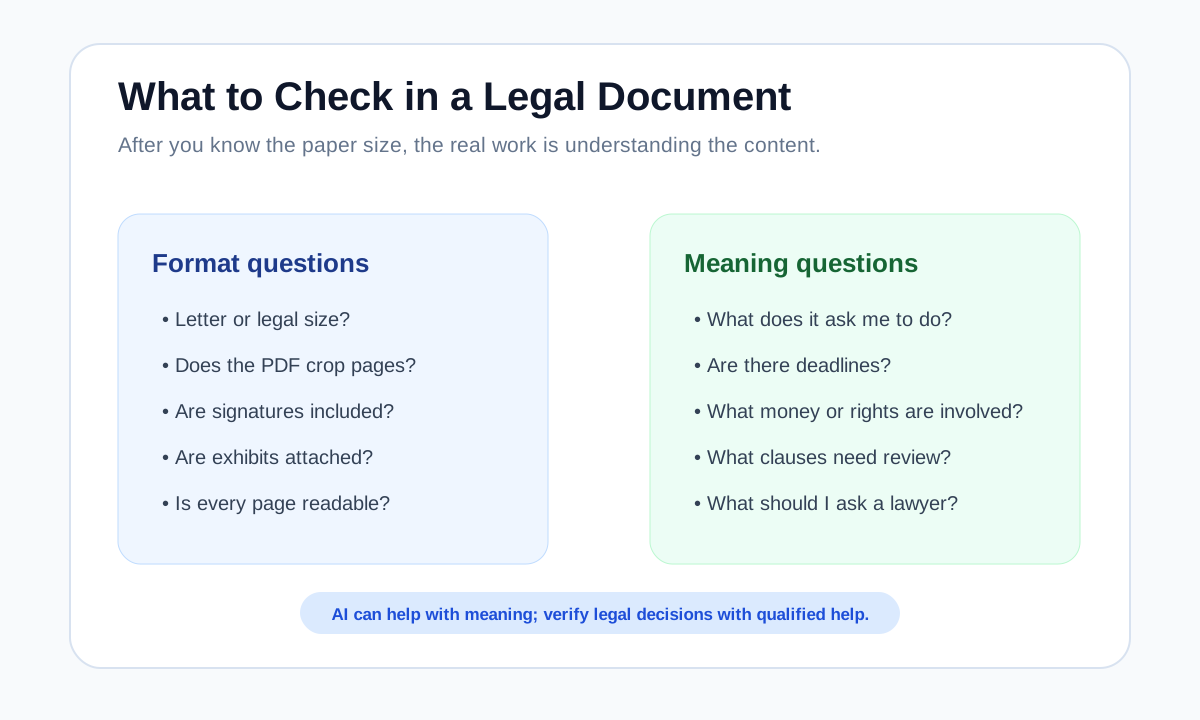
A useful review starts with basic format questions: Are all pages visible? Were any pages cropped? Are exhibits included? Are signatures and dates readable? Once the document is complete, the next step is meaning: Who is involved? What does it ask you to do? Are there deadlines? What money, rights, property, or obligations are mentioned?
Legal Size vs Legal Meaning
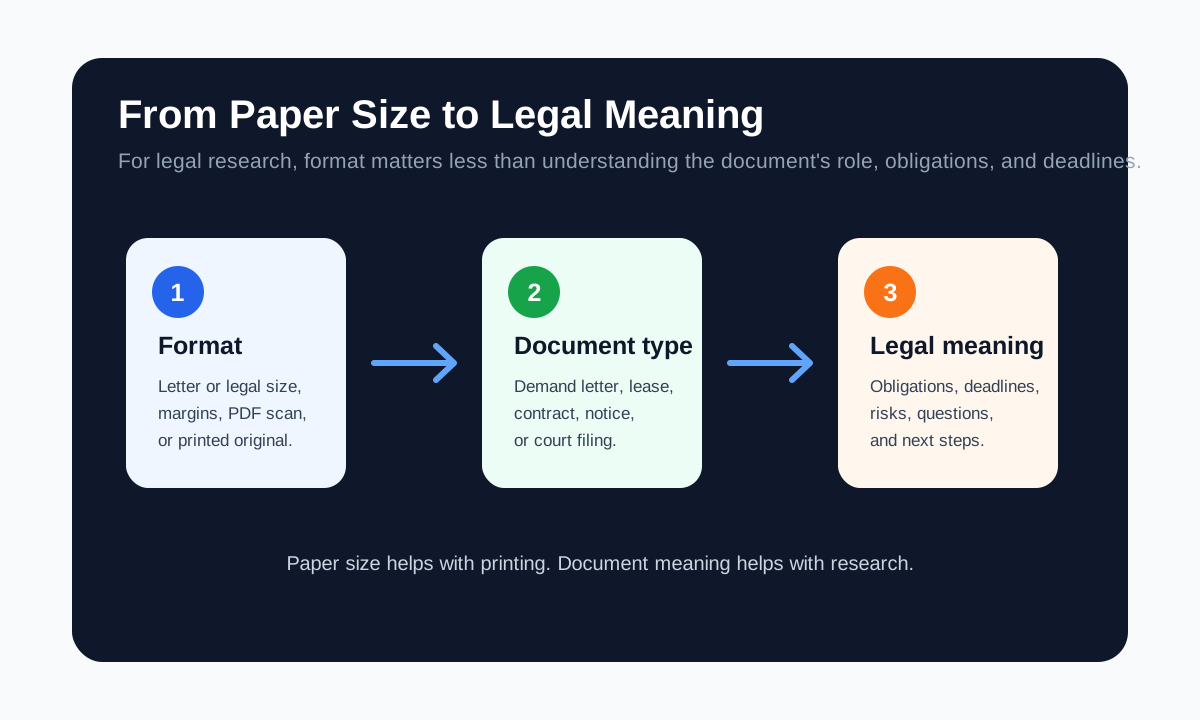
The phrase legal size can distract from the more important legal research question. If you are reviewing a legal letter, notice, lease, or contract, paper size is only a formatting issue. Legal meaning comes from the text: deadlines, duties, payments, releases, restrictions, remedies, and consequences.
That is where AI can be useful as a first-pass reading aid. AI can help explain dense language in plain English, identify stated dates, summarize obligations, and prepare questions for a lawyer. It should not decide whether you should sign, pay, sue, ignore a notice, or rely on a deadline.
How to Check a Legal Document Before You Act
- →Confirm the page is complete: Make sure no bottom sections were cut off when scanning a legal-size page.
- →Identify the document type: Is it a demand letter, lease clause, settlement offer, notice, contract, court form, or internal company letter?
- →Find the parties: Identify who sent it, who received it, and who has obligations under it.
- →Look for deadlines: Dates, response periods, renewal windows, payment due dates, and notice periods deserve special attention.
- →Separate requests from threats: A letter may demand payment and threaten action, but the sender's claims still need verification.
- →Prepare questions: If the document matters, use the explanation to ask a lawyer or legal aid provider more focused questions.
Do not rely on formatting alone. A letter-size document can be legally significant. A legal-size document can be routine. The words, facts, signatures, deadlines, and applicable rules matter more than the paper size.
Use AI to Understand the Document, Not Just the Paper
If you are trying to understand what a legal letter or contract means, the paper size question is only the beginning. Paste the text into the AI Legal Document Explainer to get a plain-English explanation of what the document appears to be, what it asks you to do, important dates, risk signals, and questions to ask a lawyer.
This is especially useful for non-lawyers who are looking at a demand letter, cease-and-desist letter, lease section, settlement offer, severance agreement, contractor dispute letter, or other document where the practical meaning is not obvious. Treat the output as legal information and preparation, not legal advice.
Frequently Asked Questions
What is the difference between legal and letter size?
Letter size is 8.5 × 11 inches. Legal size is 8.5 × 14 inches. Legal size is the same width but three inches taller.
Is legal size required for legal documents?
Usually not. Many legal documents are printed on letter-size paper or signed electronically. Specific courts, agencies, or recording offices may have their own formatting requirements, so check the rules for the place where the document will be filed or submitted.
Can I print a legal-size document on letter paper?
You can, but you may need to scale the document or it may crop. If the bottom of the page includes signatures, dates, notary language, or clauses, cropping can create serious problems. Always check the final PDF or printout.
Does paper size affect whether a contract is valid?
Paper size by itself usually does not determine contract validity. Validity depends on the agreement, parties, signatures, terms, law, and circumstances. If the document is important, have a qualified lawyer review it.
What should I do if I do not understand a legal document?
First, make sure the full document is visible and complete. Then identify what kind of document it is, what it asks you to do, and whether there are deadlines. You can use an AI explainer for a first-pass summary, but verify important issues with a lawyer or legal aid provider.
Paste a legal letter, contract, notice, or agreement and get a plain-English explanation
Editorial note: AI For Legal Research publishes independent content. We do not accept payment for editorial coverage or review scores. Nothing on this site constitutes legal advice. Always consult a qualified attorney for legal matters.