An argument gets loud. One person pushes the other. No one is hurt. A neighbor calls the police, and someone leaves in handcuffs, arrested for "domestic battery."
Many people are shocked that this is a crime at all. There is no bruise. No one went to the hospital. But under the law, none of that is required. This guide explains what domestic battery means, in plain English, with pictures.
Domestic Battery in One Sentence
Domestic battery is any unwanted, deliberate physical contact with someone you are in, or were in, a close relationship with.
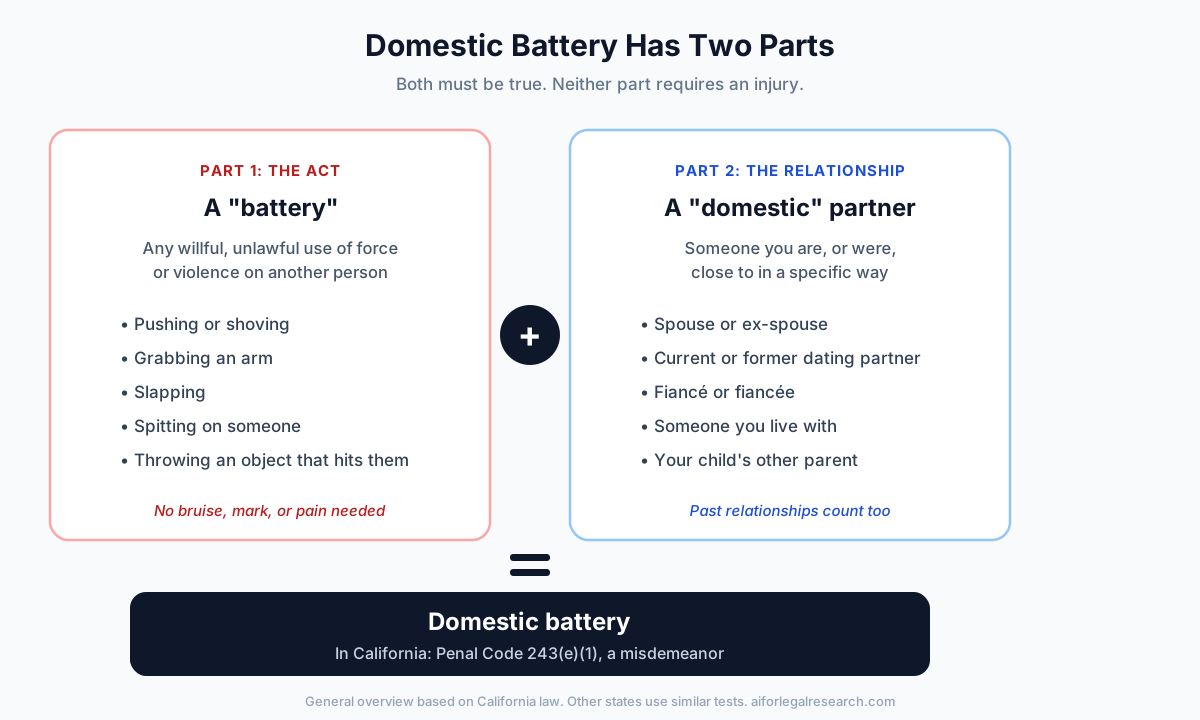
That is it. The law does not ask whether the person was injured. It asks two questions: did you use force on them, and what is your relationship?
Part One: What Counts as "Battery"
In everyday speech, "battery" sounds like a beating. In law it is much broader. California defines it as "any willful and unlawful use of force or violence upon the person of another" (Penal Code § 242).
"Force or violence" can be very slight. It includes:
- →Pushing, shoving, or grabbing someone
- →Slapping or poking
- →Spitting on someone
- →Throwing something that hits them
- →Blocking someone and pushing past them
What matters is that the contact was deliberate and unwanted. You do not need to have meant to hurt anyone. You only need to have meant to make the contact. An accidental bump is not battery. A deliberate shove is, even if it caused no pain.
Part Two: Who Counts as "Domestic"
The "domestic" part is about your relationship with the other person, not where it happened. It can happen in a parking lot as easily as at home.
In California, domestic battery applies when the other person is your spouse or former spouse, someone you live with, the parent of your child, your fiancé or fiancée, or someone you are dating or used to date (Penal Code § 243(e)(1)). The law defines a dating relationship as frequent, intimate contact based on an expectation of romantic or sexual involvement.
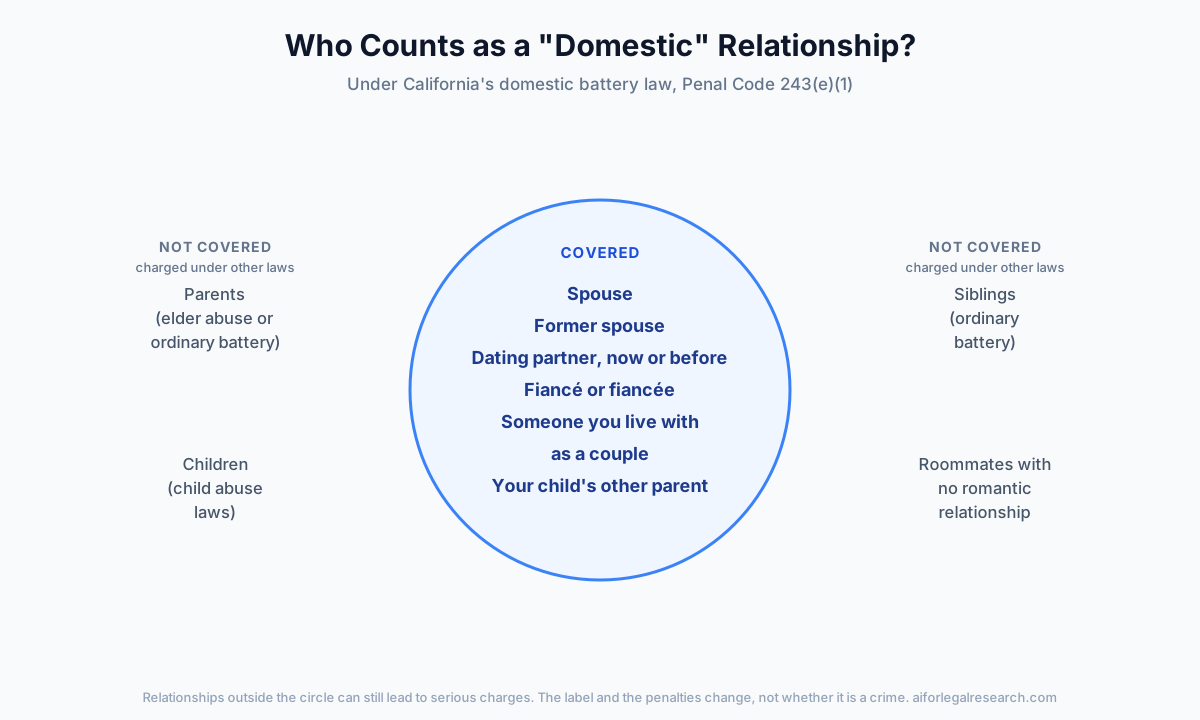
Two things surprise people here. First, exes count. A relationship that ended years ago can still make it domestic battery. Second, family members like parents and siblings usually do not fall under this particular law. That does not make hitting them legal. It is charged under a different law, such as ordinary battery or elder abuse.
Domestic Battery vs. Domestic Violence vs. Corporal Injury
These terms get mixed up constantly. Here is how they fit together.
- →Domestic violence is the umbrella term. It covers many kinds of abuse between partners or family members, including threats, stalking, and violating a protective order. It is not usually the name of one specific crime.
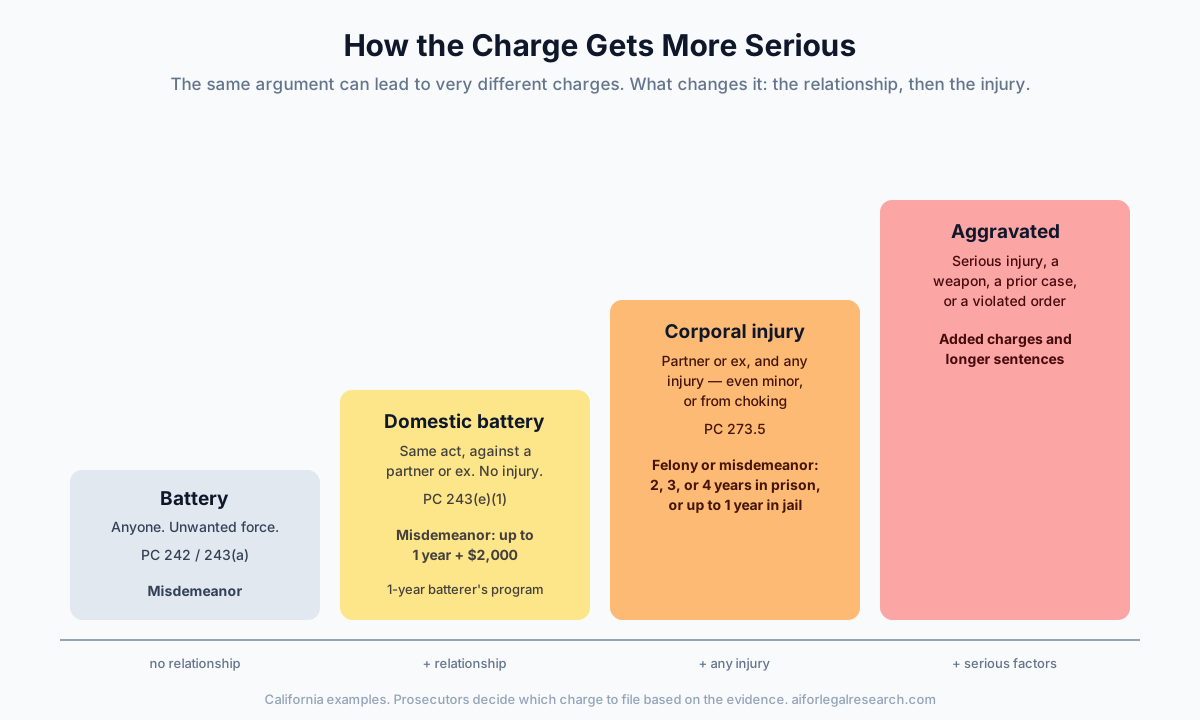
- →Domestic battery is one crime under that umbrella: unwanted force against a partner or ex, with no injury required.
- →Corporal injury on a spouse or partner (California Penal Code § 273.5) is the next step up. It applies when the force causes a "traumatic condition": any wound or injury, inside or outside the body, whether minor or serious, including injury from choking or suffocation.
So the line between the two main charges is simple: was there any injury? No injury points to domestic battery. A visible mark, a cut, or an internal injury can turn it into corporal injury, which can be a felony.
Other states use their own labels. Illinois and Nevada, for example, use the phrase "domestic battery" in their laws, while many states call similar conduct "domestic assault" or simply "assault" with a domestic violence designation. The ideas are the same: an act of force, and a qualifying relationship.
What a Conviction Costs in California
Domestic battery under Penal Code § 243(e)(1) is a misdemeanor. That can sound minor. The actual consequences are not.
- →Jail and fines: up to one year in county jail, a fine of up to $2,000, or both.
- →A batterer's program: if you get probation, you must complete a batterer's treatment program lasting at least one year, with weekly sessions of at least two hours.
- →Long probation: domestic violence probation in California runs a minimum of 36 months (Penal Code § 1203.097). This is longer than most misdemeanors, which are usually capped at one year.
- →Protective orders: the court can order you to stay away from the other person, sometimes including your own home.
The Consequences That Outlast the Sentence
For many people, the most serious effects come after the case ends.
- →Guns: a California domestic battery conviction bars you from owning or possessing a firearm for 10 years (Penal Code § 29805). Federal law goes further. A misdemeanor crime of domestic violence triggers a federal firearm ban that generally lasts for life.
- →Child custody: family courts must consider domestic violence when deciding custody, and a recent conviction can make it much harder to get custody.
- →Immigration: for non-citizens, domestic violence convictions can carry serious immigration consequences. Get immigration advice before entering any plea.
- →Work and housing: the conviction shows up on background checks, and some jobs and professional licenses treat it seriously.
"But They Don't Want to Press Charges"
This is one of the most common misunderstandings. In a criminal case, the prosecutor decides whether to file charges, not the person who was hurt. The case is brought by the state, not by the victim.
A victim can tell the prosecutor they do not want the case to go forward, and that can influence the decision. But prosecutors often continue anyway, using other evidence such as a 911 call, photos, police body camera footage, or witnesses. Many prosecutors' offices have specific policies for domestic violence cases for exactly this reason.
Common Defenses
Being arrested is not the same as being guilty. Defenses that come up often include:
- →Self-defense: you used reasonable force to protect yourself or someone else.
- →Accident: the contact was not deliberate.
- →False accusation: it did not happen, sometimes alleged during a breakup or custody dispute.
- →No qualifying relationship: the relationship does not meet the legal definition, so it is not domestic battery.
Which defense fits, and whether it will work, depends on the evidence. This is a case where a defense lawyer is worth having.
If You Are Being Hurt
You do not need an injury to deserve help. The National Domestic Violence Hotline is free, confidential, and open 24 hours: call 1-800-799-7233 or text START to 88788. If you are in immediate danger, call 911. You can also ask a court for a restraining order, and advocates can help you with the forms.
If You Have Been Arrested or Charged
- →Follow any protective order exactly. Contacting the other person, even to apologize or to say they can drop it, can be a new crime.
- →Do not discuss the case with police, the other person, or anyone else except your lawyer.
- →Get a lawyer. If you cannot afford one, ask for a public defender at your first court date.
- →Ask about the long-term effects before any plea: guns, custody, immigration, and your job.
Paste the text for a plain-English explanation of what it says and what it requires. Legal information, not legal advice.
This article is general legal information based mainly on California law, not legal advice. Definitions and penalties vary by state, and every case depends on its facts. If you are facing charges, speak with a criminal defense attorney. If you are in danger, contact the hotline above or call 911.
Editorial note: AI For Legal Research publishes independent content. We do not accept payment for editorial coverage or review scores. Nothing on this site constitutes legal advice. Always consult a qualified attorney for legal matters.